
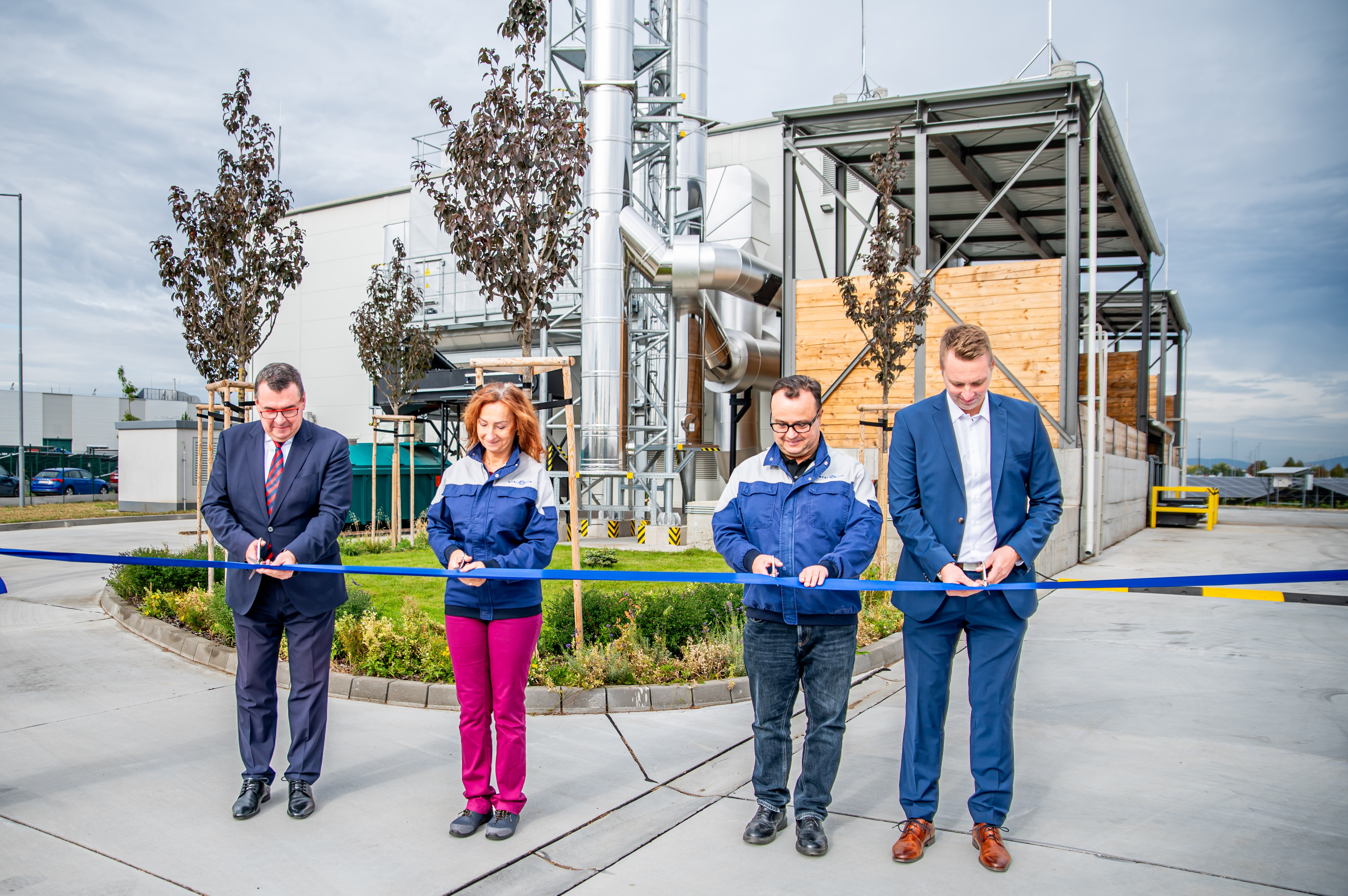
The new biomass boiler plant will help cut natural gas consumption in half and reduce CO₂ emissions by approximately 10,000 metric tons each year
On September 24, 2026, Stellantis Slovakia and ENGIE Services officially opened a new biomass boiler plant at the Trnava manufacturing facility. Although the boiler plant has been in operation since August 2026, the grand opening marks the symbolic completion of the project, which ranks among the largest investments in renewable energy sources in Slovak industry. In addition to the 9 MW biomass boiler plant, the project also includes new heating infrastructure connected to the plant’s key production technologies.
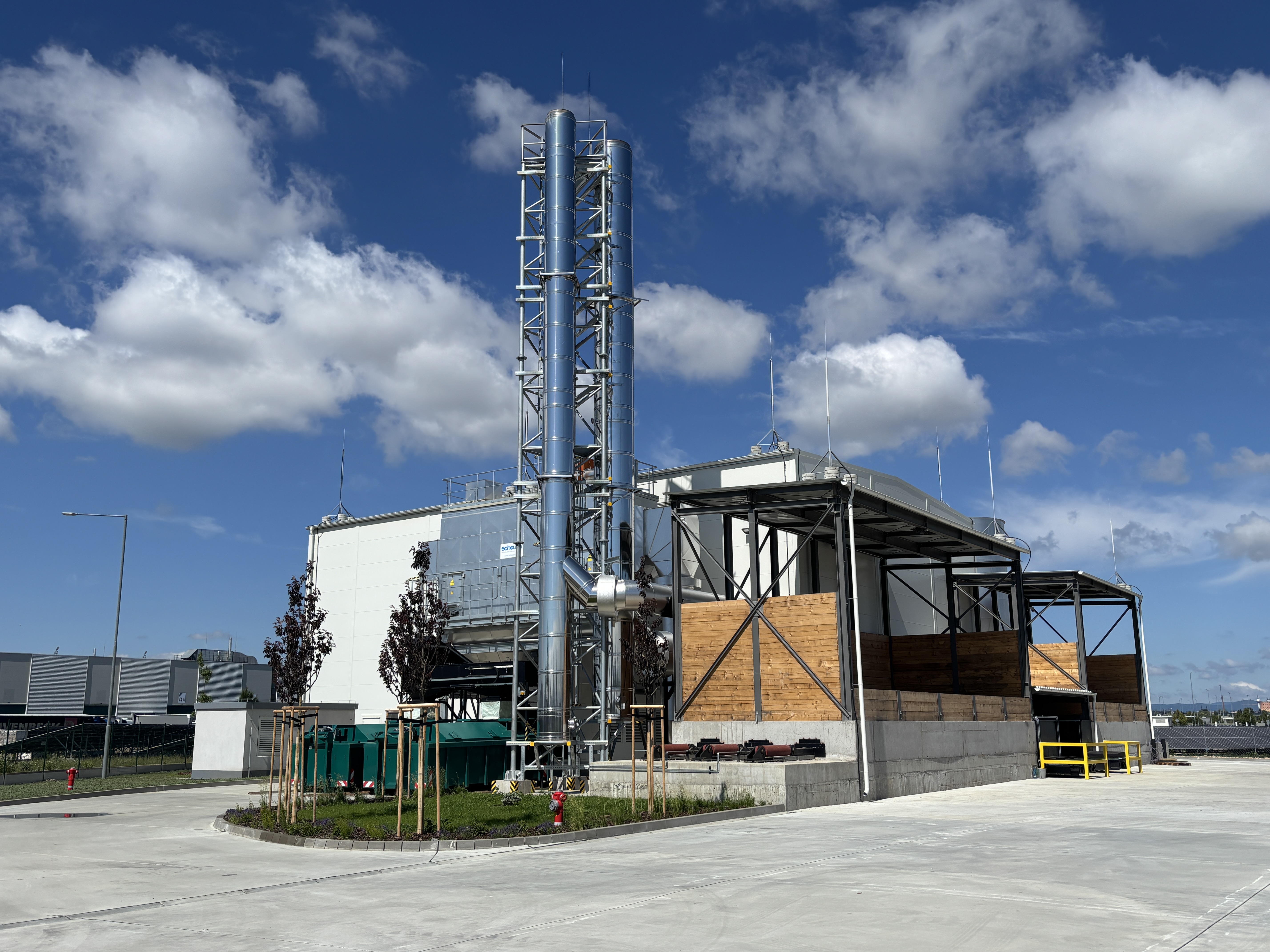
A biomass boiler plant as part of the plant’s energy transition
The new boiler room uses sustainably sourced wood chips as fuel and is part of Stellantis Slovakia’s long-term strategy aimed at the gradual decarbonization of production.
“By opening the new biomass boiler plant, we are taking another concrete step toward reducing the environmental impact of our production. This project is also part of our commitment to achieve up to 56 percent energy self-sufficiency by 2027. Investments in renewable energy sources will enable us to gradually reduce our consumption of fossil fuels and the CO₂ emissions associated with the car plant’s energy operations. It also reaffirms our long-term commitment to producing more efficiently and sustainably and to seeking solutions that have a positive impact on both the environment and the future of our plant,” said Monika Poussard, CEO of Stellantis Slovakia.
The project is the result of a long-term partnership between Stellantis Slovakia and ENGIE Services. ENGIE provided comprehensive energy services—including solution design, financing, and construction of the facility. Over the next 15 years, it will operate the entire heating infrastructure.
“The decarbonization of industry is not about a single solution, but rather a well-thought-out combination of multiple measures. The biomass boiler plant in Trnava is one piece of a larger puzzle that helps industrial companies reduce emissions and prepare for future market demands. We are pleased to be a partner to Stellantis on this journey,” explains Roman Doupovec, CEO of ENGIE Services.
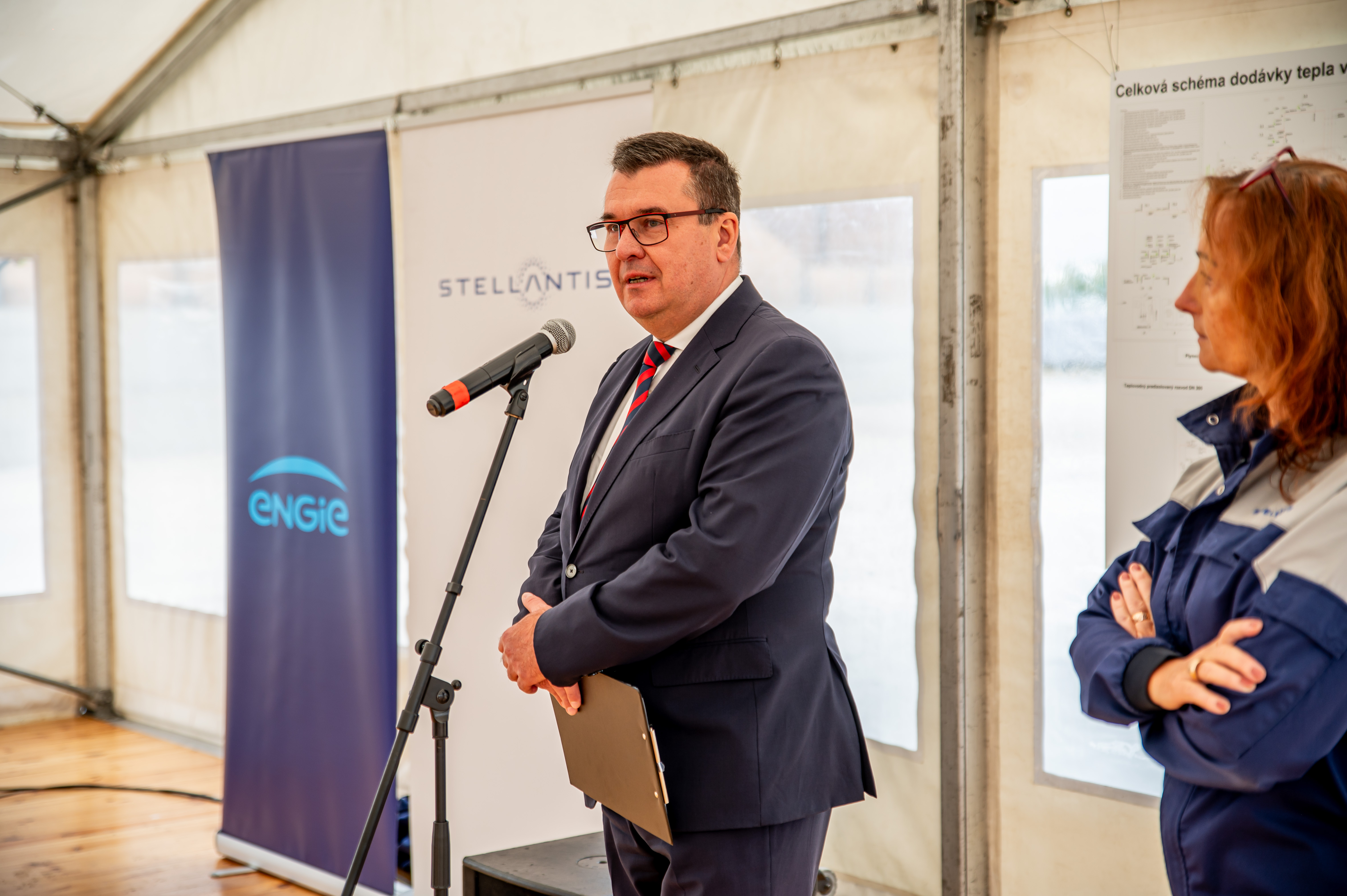
Investing in a Sustainable Future and Industrial Competitiveness
The project to build a biomass boiler plant serves as an inspiration for other industrial companies in Slovakia. At a time when energy markets are influenced by geopolitical events, energy price fluctuations, and pressure to reduce emissions, stable and locally available energy sources are becoming a key component of industrial competitiveness.
“This investment isn’t just about reducing emissions. It’s also about greater energy security, stability, and resilience for industrial companies. Utilizing locally available renewable resources helps reduce dependence on imported fossil fuels and brings greater predictability for the future. Experience shows that the hardest step is deciding to get started. Companies that begin decarbonization early are better able to respond to future regulatory and economic challenges,” concludes Juraj Sochor, director of the implementation division at ENGIE Services.
ENGIE currently operates nine biomass heat sources in Slovakia and has experience with the entire life cycle of energy projects—from design and planning through implementation to long-term operation. The project in Trnava also demonstrates that even energy-intensive industries can significantly reduce emissions without negatively impacting operational reliability, production capacity, or product quality.
Key Project Data
- Investment: 17.5 million euros
- Investor and Developer: ENGIE Services
- Heat Consumer: Stellantis Slovakia
- Location: Stellantis Slovakia plant, Trnava
- Boiler room capacity: 9 MW
- Heat source: 2 biomass boilers (6 MW + 3 MW)
- Annual heat production: 36 GWh
- Natural gas savings: 50%
- CO₂ emissions reduction: ~ 10,000 metric tons per year
- Length of the new utility lines: 3.9 km
- Connections: 26 paint shop and assembly equipment units
- ENGIE Partnership: 15 Years